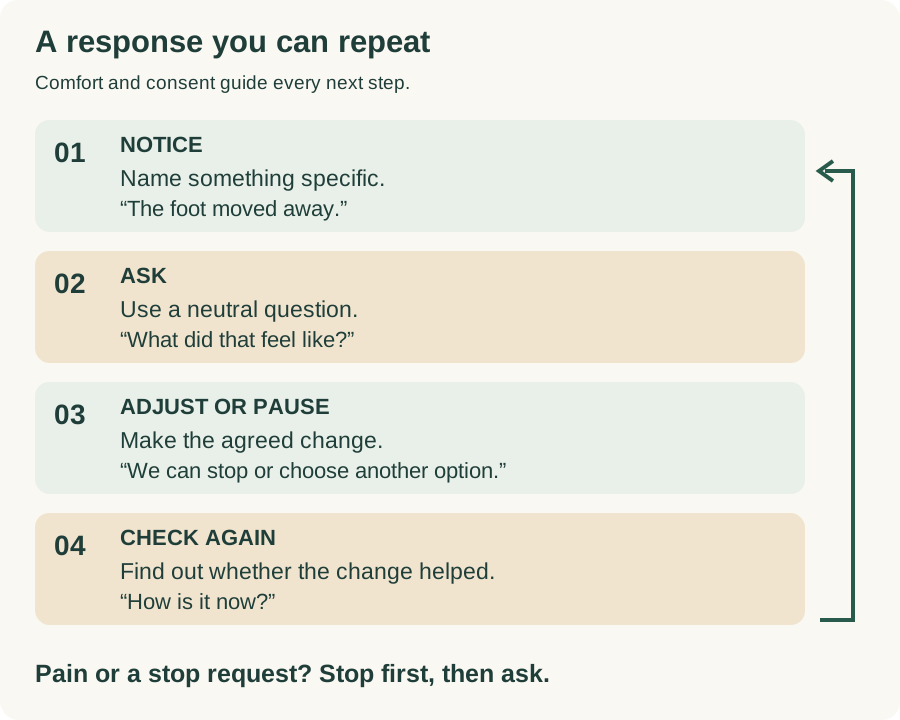
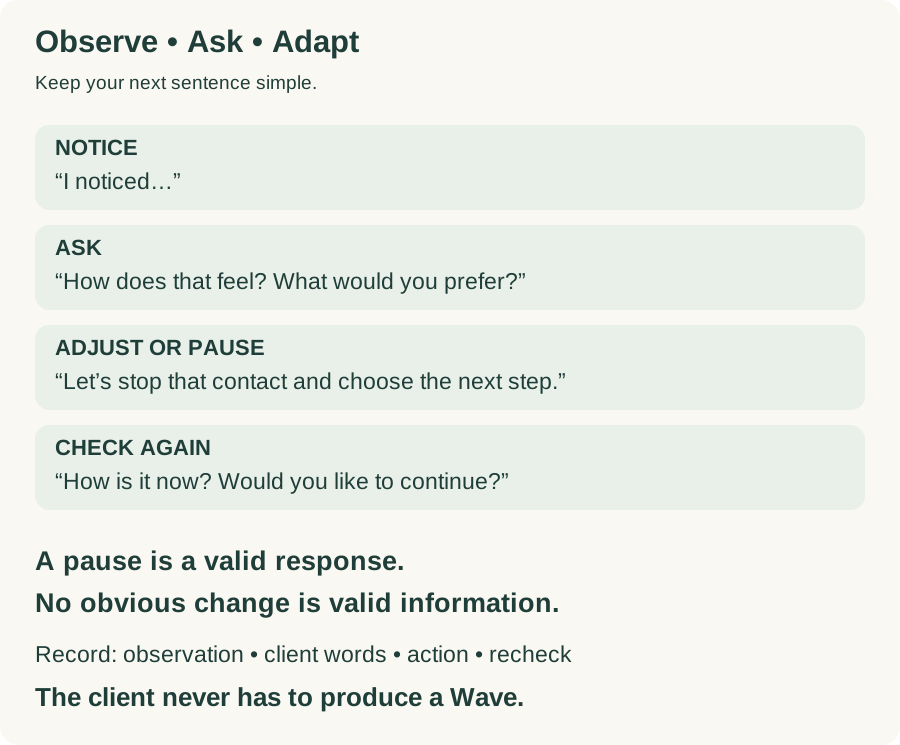
All six scenarios are fictional teaching examples. They are not additional cases from Ruth's practice. For each one, say: what I noticed → what I would ask → what I would change → how I would check again.
Case A • The foot moves away
During a familiar movement, the client's toes curl and their foot withdraws. They have not said anything. What do you do next?
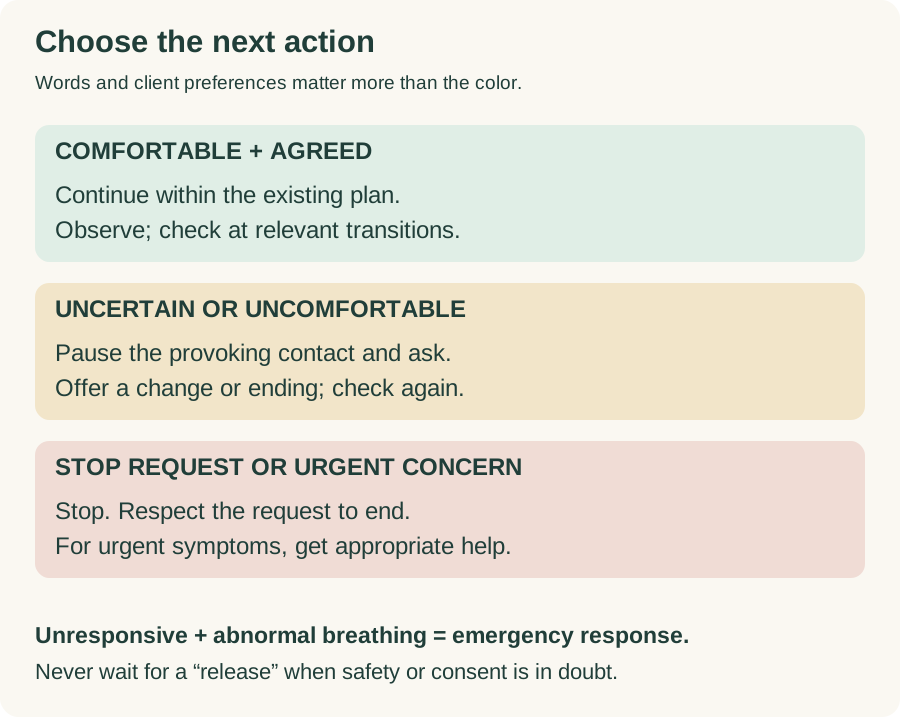
Model response: stop the movement and let the foot rest securely. “I noticed your foot moved away, so I've stopped. What did that feel like?” Client: “Too much pressure near the arch.” Ask whether they prefer to finish, pause, or avoid that area. They choose to avoid it and agree to a familiar comfortable contact elsewhere. Recheck: “How does this feel now?” Client: “Comfortable.” Continue only within that agreement. Do not explain the tenderness through an organ map.
Case B • A tug that only you notice
You feel a brief pull during still contact. You are curious, but the client appears comfortable and previously asked for quiet.
Model response: do not intensify or prolong the hold to investigate. If there is no comfort or safety concern, return to the agreed session plan. At a natural check-in, “How is the contact feeling?” Client: “Fine; I didn't notice anything unusual.” Accept that. Your sensation and their report can differ. At the next transition, confirm comfort as usual rather than repeatedly asking about the tug.
Case C • A subtle shift
You see the client's shoulders lower and hear one long exhale. You think “release,” but the client has not described anything.
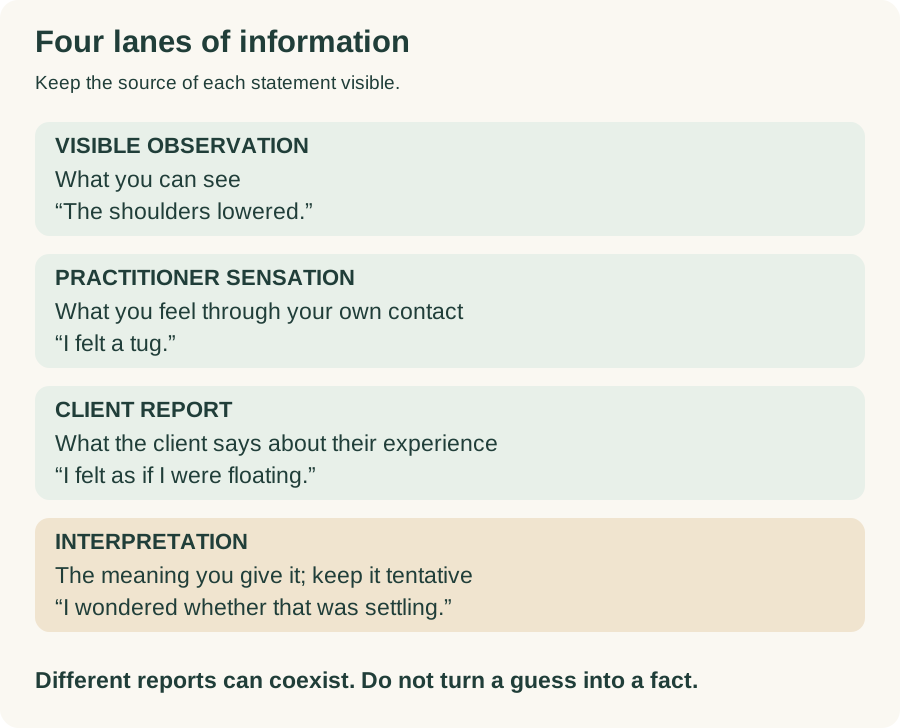
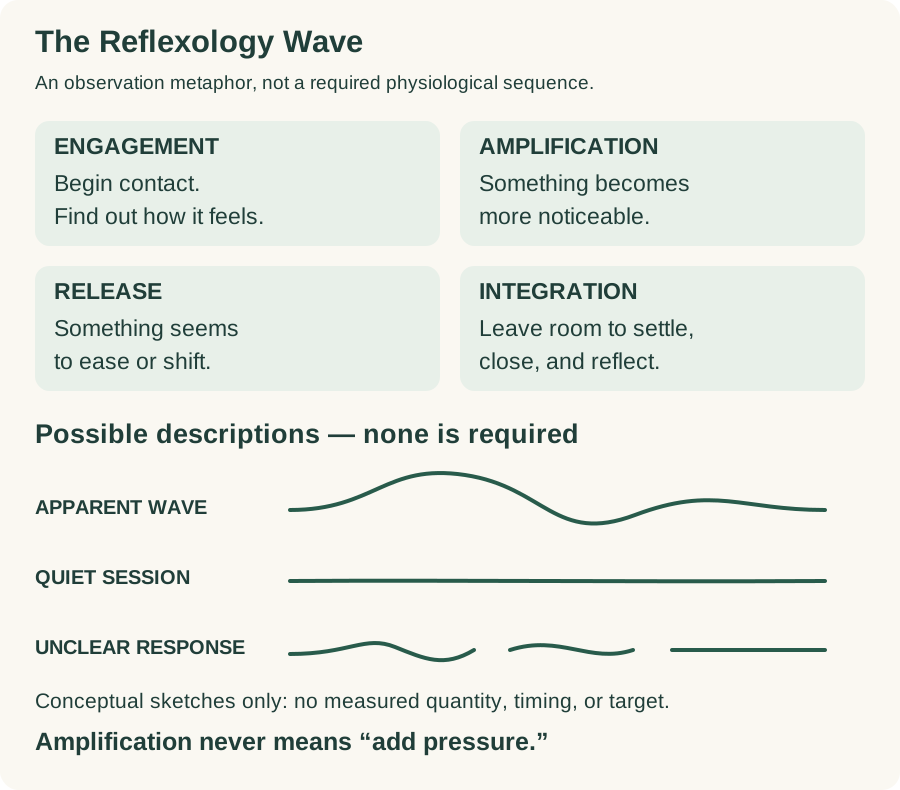
Model response: keep the observed changes separate from your interpretation. If they remain comfortable within the agreed plan, leave space. At the next transition, “Is the contact still comfortable?” Client: “Yes. I was just getting settled.” Maintain the agreed contact; don't add a stronger technique. Recheck at the next relevant change. You do not need to announce a Wave phase.
Case D • “I can't tell”
During a hold, the client says, “Something feels strange. I can't tell if I like it.”
Model response: pause contact. “You don't have to decide while it's happening. Would you like no touch for a moment, or to finish?” Client: “No touch for a moment.” Allow the pause. Recheck: “How are you now? Would you like to finish or discuss another option?” Client: “Let's finish.” End. Do not recast uncertainty as a stage they need to pass through.
Case E • No obvious change
Near closing, the client is awake and says, “Honestly, I feel about the same.”
Model response: “Thank you. Was the contact comfortable, and is there anything you would want different?” Client: “Comfortable. I'd prefer less talking.” Complete the agreed closing without adding time or pressure. Ask, “Would you like quiet while you get ready to sit up?” Client agrees. Record the reported lack of change and conversation preference. Do not promise a delayed effect or call the person resistant.
Case F • An emotional report
An awake client becomes tearful and says, “That brought up something personal. I don't want to explain.”
Model response: stop contact and say, “You don't need to explain. Would you like a quiet moment or to finish?” Client: “Finish, please.” End touch, offer practical comfort, and give space. Recheck: “How are you feeling now? What support would be helpful before you leave?” If the client asks for help processing the experience, explain your role and suggest a qualified counselor. Do not ask for the story, interpret the tears, or restart to “complete” a release.