Listen before assuming
Invite the client to describe their preferences. An observation is a reason to ask a question, not proof that you know what someone feels.

RUTH WILLIAMS MAVOR
A practitioner’s questions. A teacher’s intention. A course being shaped around the experience of a whole session—and the work of creating a practice.
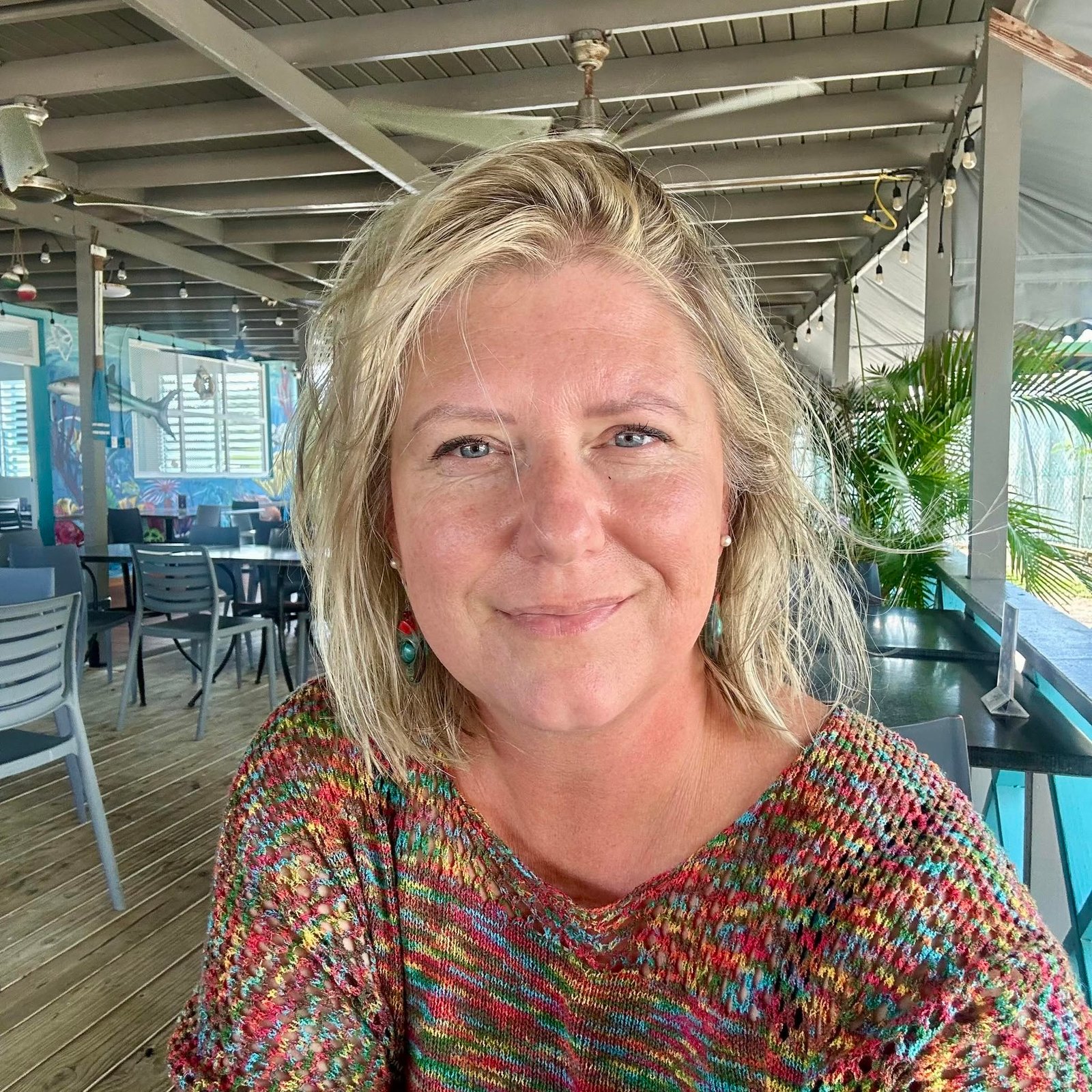 RUTH WILLIAMS MAVOR · PRACTITIONER & TEACHER
Ruth’s teaching material draws on her own reflexology practice: the first conversation, the comfort of the chair, a person’s preferences, the pace of contact, and the way a session comes to a close.
Her public practice, Salt Room SOMD in Leonardtown, Maryland, offers reflexology and other relaxation experiences. The education project gives her a place to explore the thinking behind the work.
“They should understand how to put together a session.”Ruth, discussing the purpose of the course
That intention shapes the foundations: learn individual skills, see how they fit together, and stay responsive to the client throughout.
Explore Ruth’s current practiceTHE APPROACH
The course explores technique alongside the decisions that make an experience feel considered.
Invite the client to describe their preferences. An observation is a reason to ask a question, not proof that you know what someone feels.
Consider pressure, continuity, and pauses as choices in a session. Leave space to adjust rather than force a fixed experience.
Distinguish personal observation, a client’s report, an interpretation, and what research can actually establish.
A GLIMPSE INTO RUTH’S WORLD
These photographs come from Ruth’s existing practice. They offer a little context for the care, atmosphere, and attention behind the teaching.
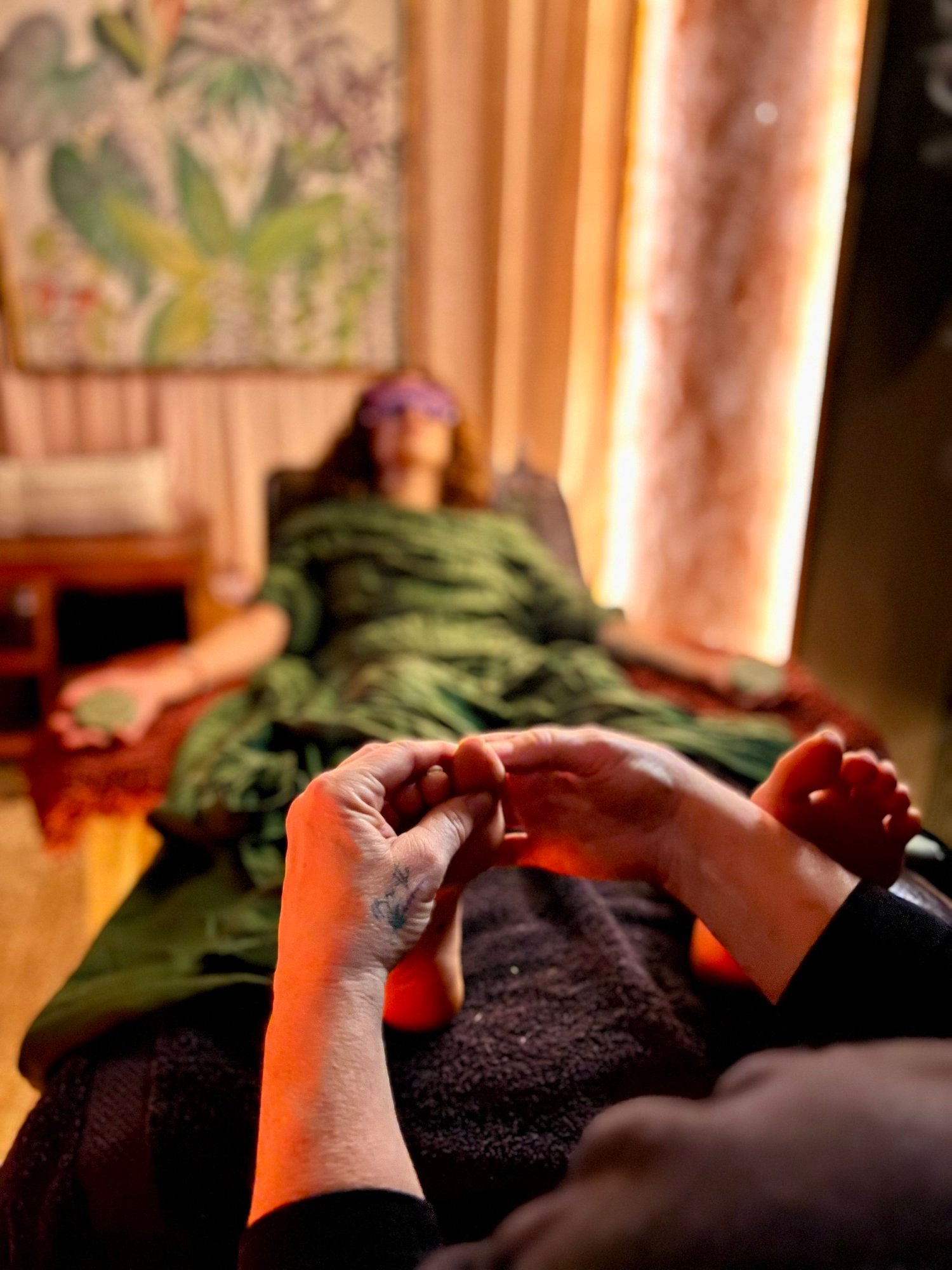

Explore more of Ruth’s work, spaces, and everyday observations.
A NEW SKILL. A NEW DIRECTION.
Bring your curiosity. Explore the course, try a learning sample, and imagine what a thoughtful practice could look like for you.
Find your beginning